

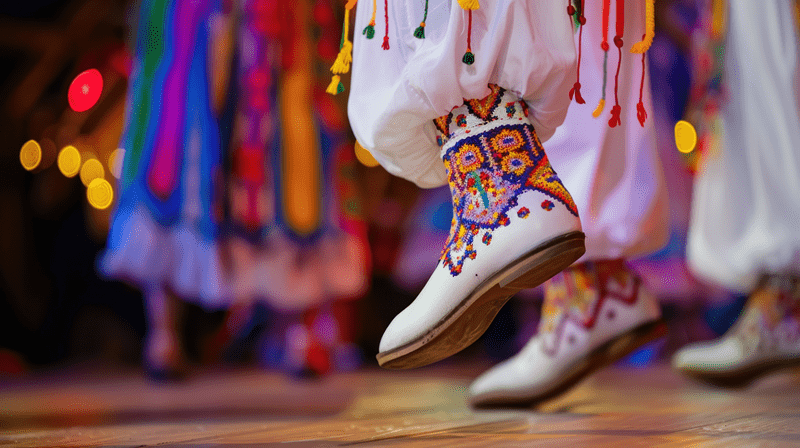
The dance styles of a culture embody its ethos; as an art form, dance continues a tradition that passes on a culture's heritage and helps people identify with a community. Cultural dance styles typically feature rhythm, are dynamic, and incorporate original cultural elements from African drumming, Asian classical dance, and other traditions. Such cultural dance styles not only provide rhythm but also physical, emotional, and social value.
Cultural dance is one of the best ways to understand the various movements around the world, through exploring cultural dance styles from Africa and Asia to Europe and North America; the list continues. In a world focused on the performance aspect of dance, it is not surprising that cultural dance styles are also used as performance tools to develop and strengthen dancers' technique, build stage presence and rhythm, and enhance their ability to express emotions through movement.
The difference between cultural dance styles and other forms of dance lies in the combination of movement and meaning. Every step, gesture, and rhythm has a historical context, spiritual significance, and social narrative.
Cultural dance styles stem from traditions rather than the commercial realm. They typically grow out of ceremonies, celebrations, rituals, harvest festivals, and storytelling traditions that have been kept alive through generations. Cultural dance styles also provide dancers with opportunities to:
Cultural dance styles are a source of great value for many dancers, educators, and people who enjoy dancing.
To effectively learn about different dance styles, dancers have to know more than just how to memorize the steps. Cultural Dance styles focus on Technique, discipline, and intent in movement, making them great for training.
Many professional dancers now use Cultural Dance styles as part of their training for the following reasons:
Cultural Dance styles require you to develop control, endurance, and focus, no matter if you are practicing the footwork of the Flamenco or the hand gestures of the Bharatanatyam. These skills are easily transferable into the Contemporary Performance Environment.
Studying dance traditions from various cultures can both increase artistic versatility and deepen personal self-awareness. Cultural dance traditions challenge dancers to expand their bodily movement repertoire, experience new ways of emphasising movements through different styles, and ultimately develop an understanding of how the body works with all the rhythms and how to express them. Increasingly varied styles will enable you to adapt quickly on the fly to various music formats.
Some of the benefits that your study of many styles will realise include
Through your studies of cultural dance forms, dancers not only learn choreography but also gain an understanding of the stories, values, and traditions that comprise a complete performance experience.
Related Resource: The Role of Dance in Cultural Preservation and Identity
Besides providing entertainment onstage, exposure to different styles of dance has many non-performance-based, holistic, and healthy benefits.
Beneficial to Physical Health:
Beneficial to Mental and Emotional Well-Being:
Cultural dance offers numerous lifelong benefits for dancers interested in developing their full potential holistically through various forms.
Cultural dance classes, structured around culture, help dancers maintain the authenticity of their cultural heritage while allowing them to master their dance techniques. They usually include an emphasis on the dance's cultural history, how the music is interpreted, proper body position, and the physical training required to perform the movement.
The quality cultural dance classes provide:
Cultural dance classes provide an atmosphere conducive to respect and immersion in both skill development and knowledge, for novice and expert dancers alike.
Learn More Here: Latin Dance Styles: From Cha-Cha to Merengue
Around the world, there are sprawling, diverse dance styles. Some examples of culturally-based dance styles from around the world are:
These dance styles have become sources of inspiration for new choreography and staging in contemporary dance worldwide, as well as for establishing collaborative partnerships across different cultural traditions.
The appreciation of Dance is revealed when an individual understands the intention behind their movements. Dance styles from different cultures offer the audience an opportunity to connect with their history, emotions, and traditions through moving images.
As viewers and dancers engage with cultural forms of Dance, they evolve to:
In so doing, they change how they "watch" Dance to how they "experience" Dance through the learning and lasting impact of Dance Cultural Forms.
Today’s performance industry values the complexity and authenticity of cultural dance genres, as they provide theatrical productions and international festivals with a sense of diversity and depth on today's stages.
Dancers trained in these cultures generally stand out in some areas due to:
As more of the global audience becomes aware of their own cultures, the need for skilled dancers with cultural experience is also growing.
On a Related Note: K-Pop Dance: How Choreography Shapes Global Pop Culture
Learning a cultural dance style begins with curiosity and respect. Before moving on to advanced choreography, beginners should start with the fundamentals of each dance style. Some beginner tips include:
By properly integrating research on the culture and its dance styles, a beginner will establish a solid base to build upon and enjoy dancing for years to come.
Cultural dance forms - like other forms of art - are the way for us to tell the story of our history and preserve the stories, rituals, and identities of the people who created them, as well as those who drew inspiration from them for their own lives. The preservation of our cultural history through the performance and education of cultural dance:
Preserving cultural dance forms means preserving culture's vitality in its most active form.
Cultural dance styles offer dancers and audiences great value due to their unique qualities. This exceptional quality will help develop the dancer's technique, allow the dancer to express themselves as an artist through movement more effectively, provide the dancer with opportunities for mental and physical well-being through dance, and build bridges between cultures and people.
Whether you are interested in learning about a variety of dance styles from different cultures, exploring world dance styles, or simply developing your appreciation for dance as a whole, cultural dance is a very meaningful and empowering choice.
There has never been a better time to begin taking classes to learn to move in ways that reflect the history, feelings, and identity of the culture in which you were born.
Cultural Dance Styles are unique & Traditional forms of Dance that originate from a particular area, culture,/Community. Each Dance Style has its Own History or Traditions; they Generally Reflect the History, Rituals, Social values, & Ways of Life of Each Area/Culture/Community through Their Structured Movement & the Musical Expression of Each Style
Yes, Beginners can Easily Learn a Dance Style with Guidance in Cultural Dance Classes Focused on the Basic Elements, Meaning, & Context of the Cultural Dance Style to Gradually Build on Each Skill Level as You Achieve Proficiency in the Style
Cultural Dance can Improve An Individual's Health by Increasing Their Levels of Fitness, Flexibility, Emotional Expression, Mental Focus, & Cultural Awareness.
Dance Appreciation is essential for Both Audience Members & Performers in understanding the Cultural Meaning, Symbolism, & Emotional Impact of Movement to enrich the Cultural Performance Experience.
Yes, World Dance Styles are Presently Influencing Much of Contemporary Dance, Theatre, Theatre Festivals, & Other Styles of Modern Performance. World Dance Styles Provide an Authenticity, Cultural Diversity, & Expressive Quality that is Significant to Today & Future Generations of Performers of Contemporary Performance Styles.
This content was created by AI