

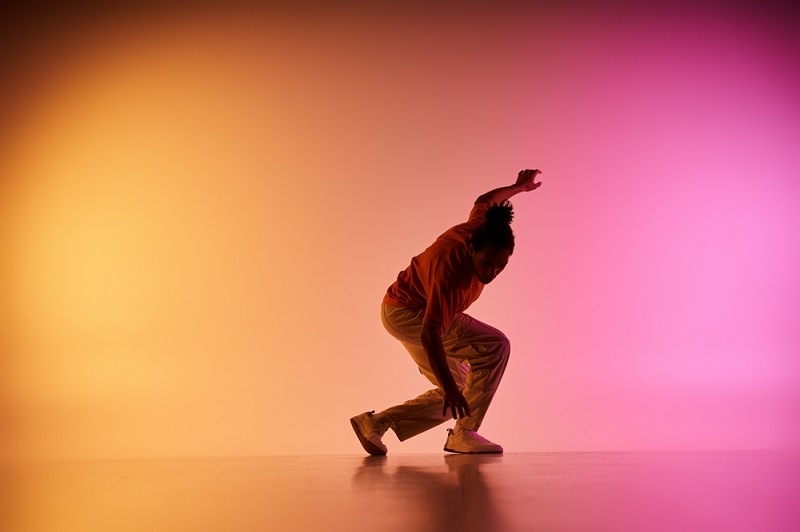
Afro fusion dance has grown into one of the most talked about styles across the world. It mixes the energy of African dance styles with the creativity found in modern choreography, which gives the movement its own personality. The reason people connect with it so easily is simple. It feels natural. It feels grounded. Anyone can pick it up, enjoy the music, and move with it.
The style has shaped global dance trends in a big way. Studios teach it. Choreographers use it in commercial routines. Social media picked it up and pushed it everywhere. Afro fusion dance sits right in the middle of rhythm, culture, and creativity, and that is why it continues to grow.
Afro fusion dance blends different techniques, but the foundation stays the same. The body stays grounded. The rhythm leads the movement. The upper body stays expressive, and the groove stays constant. It feels loose but controlled at the same time.
A few things you see often:
The reason Afro fusion dance works for both beginners and trained dancers is that it does not depend on perfect technique. The goal is to feel the music. This is why it fits so well with global dance trends and stays relevant in different dance spaces.
Explore More: Behind the Scenes: The Making of Iconic Dance Performances
African dance styles have shaped movement culture long before social media made it visible. These styles focus on community, repetition, rhythm patterns, and storytelling. Afro fusion dance uses these ideas and gives them a modern structure.
You can see pieces of different regions in the fusion style. For example:
These influences blend naturally into Afro fusion dance. When people learn it, they get introduced to the roots without needing to master every traditional style. This balance is what makes the fusion approach flexible and global.
Platforms like TikTok, Instagram, and YouTube helped push these African dance styles into the spotlight. Once people started learning them, choreographers began using them in modern choreography. That is how Afro fusion dance became a global trend instead of staying limited to local communities.
Afro fusion dance fits perfectly with the way people dance today. Dancers want movement that feels real, not something that requires years of technical training. Afro fusion gives freedom without making the routine look messy. It helps dancers loosen up and enjoy the music.
In many studios, choreographers mix Afro fusion dance with contemporary, hip hop, or even commercial styles. The movement instantly becomes more grounded, expressive, and natural. This is one of the reasons it influences global dance trends so strongly.
What draws people to the style:
The style keeps appearing in music videos, dance films, campaigns, and stage performances. Its flexibility makes it easy to use, and its cultural depth gives it meaning.
Don’t Miss: Celebrating the Diversity: Cultural Fusion in Dance
Global dance trends change fast, but certain styles stay because people feel a connection. Afro fusion dance is one of those styles. It works in both casual and professional settings, which helped it travel faster.
Several things pushed its growth:
1. Social media challenges: Short dances made Afro fusion more accessible. People started copying steps, creating their own versions, and enjoying the process without pressure.
2. Music influence: The rise of Afrobeats and Afropop played a huge role. The music comes with a natural bounce that fits Afro fusion dance. This link between sound and movement makes it enjoyable for dancers around the world.
3. Choreographers using it in their own style: Many popular choreographers added African dance styles to their routines, which introduced the movement to people who had never tried it before. The blend gave their classes a fresh feel and made Afro fusion dance part of modern choreography everywhere.
Because of these shifts, Afro fusion moved from internet trends into regular studio classes and stage choreography. That is how it became part of global dance trends instead of staying a niche style.
Modern choreography and Afro fusion dance complement each other well. One focuses on technique and shape. The other focuses on rhythm and groove. When both come together, the movement feels layered and expressive.
Choreographers often use Afro fusion techniques to improve a dancer’s musicality. The groove helps build timing. The isolations help with control. The transitions feel smoother when grounded movement is added.
Some common blends include:
This mix gives dancers more options and helps them understand both rhythm and technique. It also keeps modern choreography fresh and relatable.
The growth of Afro fusion dance shows no sign of slowing down. More studios teach it. More songs match its rhythm. More dancers enjoy learning something that feels honest and expressive. African dance styles continue to influence global culture, and that momentum carries the fusion style forward.
A few reasons for continued growth:
As long as people look for dance styles that feel real and enjoyable, Afro fusion dance will stay influential.
Also check: Evolution of Dance Culture in America: From Streets to Stage
Afro fusion dance changed the way people move. It blends African dance styles with modern choreography in a way that feels grounded and expressive. The style continues to shape global dance trends because of its rhythm, accessibility, and cultural roots. Anyone can enjoy it, which is why its impact keeps growing.
A quick look at common questions people usually have about Afro fusion dance.
No. The style is rhythm-based, so beginners can pick up the groove easily with simple steps.
Not at all. Knowing the roots helps, but the fusion format is designed to be beginner friendly.
Yes. It mixes well with hip hop, contemporary, commercial routines, and most freestyle-based styles.
This content was created by AI